

Introduction:
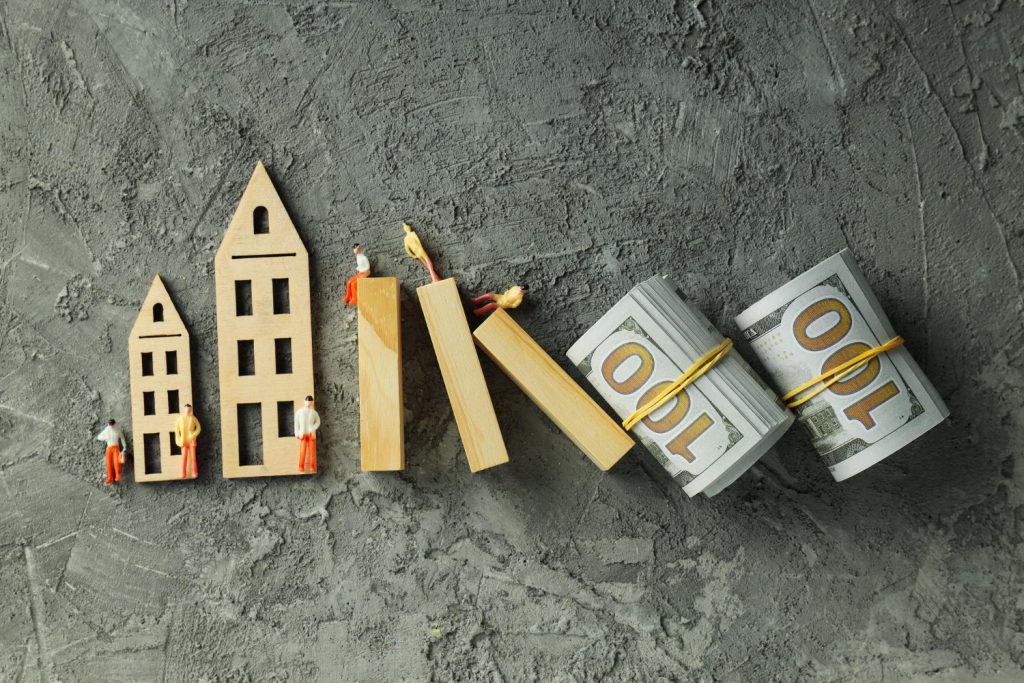
The 2008 financial crisis, often referred to as the Great Recession, was one of the most severe economic downturns in recent history. While many factors contributed to this crisis, the housing market’s collapse was pivotal. A series of risky lending practices, financial innovations, and speculative investments created an environment ripe for disaster. Understanding the role of the housing market is essential to comprehend why and how the financial crisis unfolded, causing widespread economic hardship and reshaping global financial systems.
The Role of the Housing Market in the 2008 Financial Crisis:
The housing market’s role in the financial crisis is rooted in multiple key dynamics, including the rise of subprime mortgages, the housing bubble, and the advent of complex financial products.
1. The Rise of Subprime Mortgages and Risky Lending: In the early 2000s, the housing market experienced a boom fueled by an increase in homeownership, driven by lower interest rates and easy access to credit. Lenders increasingly extended mortgages to borrowers with low credit scores, termed “subprime” borrowers, who had a higher risk of default. The availability of subprime loans allowed people who typically wouldn’t qualify for a mortgage to purchase homes, which drove up demand and, consequently, housing prices.
To make these loans appealing, lenders offered adjustable-rate mortgages (ARMs), where initial interest rates were low but would reset to higher rates after a few years. Many subprime borrowers were unaware or unable to manage these rising payments, leading to an increase in loan defaults. Additionally, predatory lending practices and lax regulatory oversight allowed lenders to approve high-risk loans without adequate consideration of borrowers’ repayment abilities. As a result, when interest rates rose and housing prices began to decline, a substantial number of subprime borrowers defaulted, which significantly impacted the housing market and the broader financial system.
2. The Housing Bubble and Its Burst: The rapid increase in housing prices created a housing bubble, an economic phenomenon where asset prices become unsustainably high due to excessive demand and speculative investment. Investors were confident that housing prices would continue to rise indefinitely, which encouraged more investment in real estate and, in turn, further inflated the bubble.
During this period, homebuyers and investors alike purchased properties with the expectation of price appreciation, sometimes buying multiple properties purely for speculative gains. This increase in speculative investment disconnected housing prices from their actual market value. When housing prices inevitably stopped rising and began to fall, the bubble burst, causing widespread panic in the market. Homeowners who had purchased properties at inflated prices found themselves with mortgages that exceeded their home’s value, a situation known as “negative equity.” Many of these homeowners defaulted, further flooding the housing market with foreclosures and accelerating the decline in home prices.
3. Financial Innovations and the Spread of Toxic Assets: The housing market’s influence on the financial crisis extended beyond mortgages themselves. Financial institutions created complex financial products based on mortgage-backed securities (MBS) and collateralized debt obligations (CDOs). These financial instruments were designed to generate returns by pooling and reselling mortgages to investors, theoretically spreading the risk of defaults. However, in practice, these securities became a vehicle for distributing subprime mortgage risk throughout the financial system.
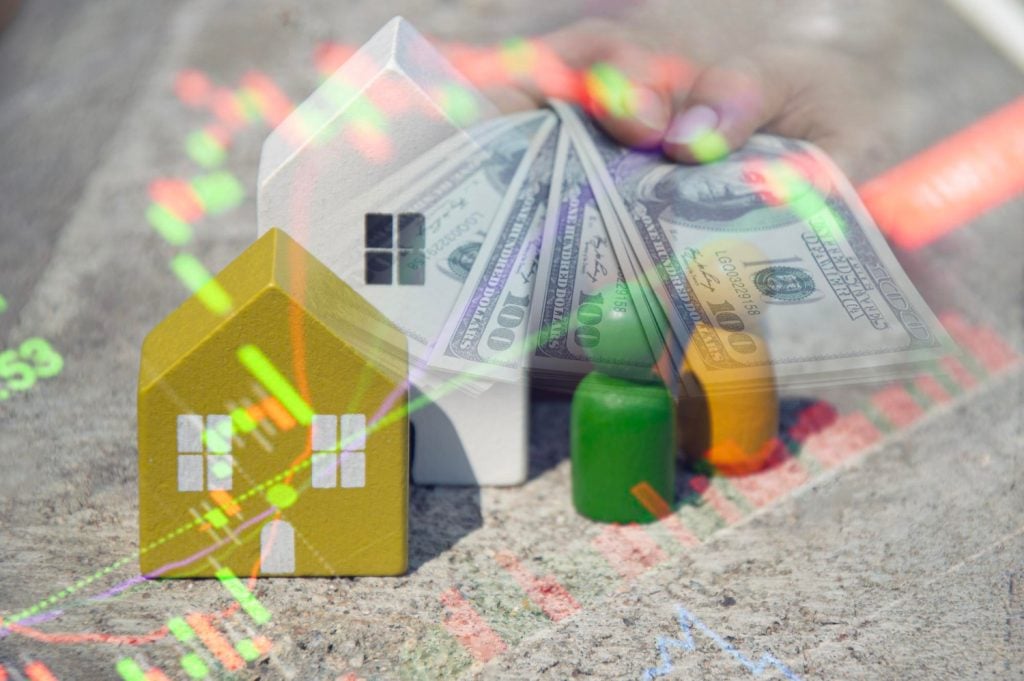
Investment banks bundled risky subprime mortgages with higher-quality loans into MBS and sold them to investors worldwide, including banks, pension funds, and insurance companies. Rating agencies assigned high credit ratings to these securities, often failing to account for the actual risk involved. The belief that housing prices would continue to rise further obscured the dangers of these investments.
When homeowners began defaulting on their mortgages, the value of these mortgage-backed securities plummeted. Financial institutions holding significant amounts of MBS and CDOs faced massive losses, resulting in a liquidity crisis as banks became hesitant to lend to one another, fearing they might be exposed to toxic assets. The interconnection of financial institutions through these mortgage-related assets created a contagion effect, spreading the crisis across the global economy.
Impact on the Broader Financial System and Global Economy:
The collapse of the housing market and the ensuing financial turmoil exposed vulnerabilities in the financial system, revealing how deeply interconnected and dependent it had become on the housing market. Major financial institutions, including Lehman Brothers, Bear Stearns, and Merrill Lynch, faced bankruptcy or were forced into emergency mergers. This cascading effect led to a severe credit crunch, making it difficult for businesses and consumers to access loans, which stifled economic activity and deepened the recession.
Government intervention became necessary to prevent further economic collapse. The U.S. government introduced the Troubled Asset Relief Program (TARP), which allocated hundreds of billions of dollars to purchase toxic assets from financial institutions and stabilize the banking sector. Central banks worldwide cut interest rates and implemented stimulus measures to revive the economy, but the repercussions of the crisis were far-reaching, with lasting impacts on employment, income levels, and economic stability.
Conclusion:
The housing market was a crucial factor in the 2008 financial crisis. Risky lending practices, speculative investment, and financial innovation created a perfect storm that led to the collapse of the housing market and exposed the fragility of the global financial system. The crisis underscored the need for regulatory reforms to prevent a similar disaster, leading to changes in banking practices, lending standards, and financial oversight. Understanding the role of the housing market in the financial crisis provides insight into the complex dynamics that can contribute to economic instability and highlights the importance of maintaining a balanced, regulated approach to finance and lending.